

Ashirvad Flowguard Plus CPVC Coupler
Ashirvad Flowguard Plus CPVC Coupler
Couldn't load pickup availability
Product Highlights
Quick Answer: What is Ashirvad Flowguard Plus CPVC Coupler used for?
Ashirvad Flowguard Plus CPVC Coupler is a straight joining fitting for connecting two CPVC pipes of the same diameter, designed for extending pipe runs and creating leak-free connections in hot and cold water systems with solvent weld technology.
- Material: CPVC (Chlorinated Polyvinyl Chloride)
- Function: Straight pipe-to-pipe connection (same diameter)
- Temperature Rating: Up to 93°C (200°F)
- Pressure Rating: SDR-11 (PN 15 / 15 kg/cm²)
- Connection: Socket type (Solvent Weld)
Product Description
Ashirvad Flowguard Plus CPVC Coupler is an essential fitting for creating straight, leak-free connections between two CPVC pipes of equal diameter. Manufactured from high-grade CPVC compound with FlowGuard Gold technology, this coupler provides exceptional strength and durability in hot and cold water distribution systems. The precision-molded socket design ensures proper pipe insertion depth and optimal solvent cement bonding for permanent, pressure-tight joints.
The coupler's smooth interior bore maintains consistent water flow without turbulence or pressure drop, while the corrosion-resistant CPVC material eliminates the rust and scale buildup common with metal couplings. Ideal for extending pipe runs, repairing damaged sections, or connecting pre-cut pipe lengths, this fitting is compatible with all Ashirvad Flowguard Plus CPVC pipes and fittings when installed with recommended solvent cement.
Technical Specifications (Quick Reference)
| Specification | Details |
|---|---|
| Fitting Type | Coupler (Straight Connector) |
| Material | CPVC (Chlorinated Polyvinyl Chloride) |
| Maximum Temperature | 93°C (200°F) continuous service |
| Pressure Rating | SDR-11 (PN 15 / 15 kg/cm² at 25°C) |
| Connection Type | Socket (Solvent Weld) - Both ends |
| Standards | ASTM D2846, NSF certified for potable water |
Recommended Applications
- Pipe Extension: Joining two pipe sections to extend hot or cold water distribution runs
- Repair Work: Replacing damaged pipe sections by cutting out the defective portion and coupling new pipe
- Straight Connections: Creating continuous pipe runs in bathroom, kitchen, and utility room plumbing
- Geyser Installations: Connecting hot water outlet pipes from geysers to distribution lines
- Overhead Tank Lines: Joining cold water supply pipes from overhead tanks to fixtures
- Manifold Systems: Creating distribution manifolds for multi-outlet plumbing systems
Installation Guidelines
- Pipe Preparation: Cut pipes squarely using pipe cutter; deburr and chamfer both pipe ends at 10-15° angle
- Dry Fit Test: Insert both pipes into coupler sockets to verify proper fit (pipes should insert 2/3 of socket depth)
- Surface Cleaning: Clean all pipe ends and coupler socket interiors with CPVC cleaner to remove contaminants
- Solvent Cement Application: Apply Ashirvad CPVC solvent cement evenly to pipe ends and coupler sockets; insert pipes with quarter turn and hold for 30 seconds each
- Curing & Testing: Allow 15 minutes set time; wait 1 hour before handling and 24 hours before pressure testing
Why Buy from MaterialRunner?
- Authentic Ashirvad Hardware: Verified genuine products
- Complete CPVC Range: All fittings, pipes, and accessories for seamless plumbing installations
- Bangalore Fulfilment: Quick local availability

Best Seller
-
11% OFF
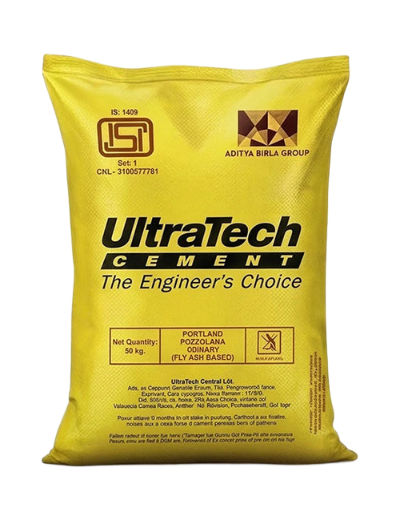
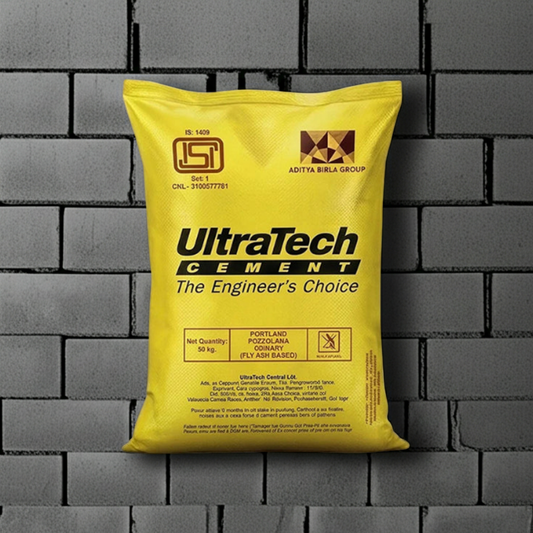 UltraTech
Ultratech PPC Cement, 50 Kg Bag
Regular price Rs. 395.00Regular priceRs. 440.00Sale price Rs. 395.00 -
UltraTech
Ultratech PPC Cement – ₹375/Bag (Bulk Lot: 50 Bags)
Regular price Rs. 18,750.00Regular priceRs. 22,000.00Sale price Rs. 18,750.00 -
6% OFF
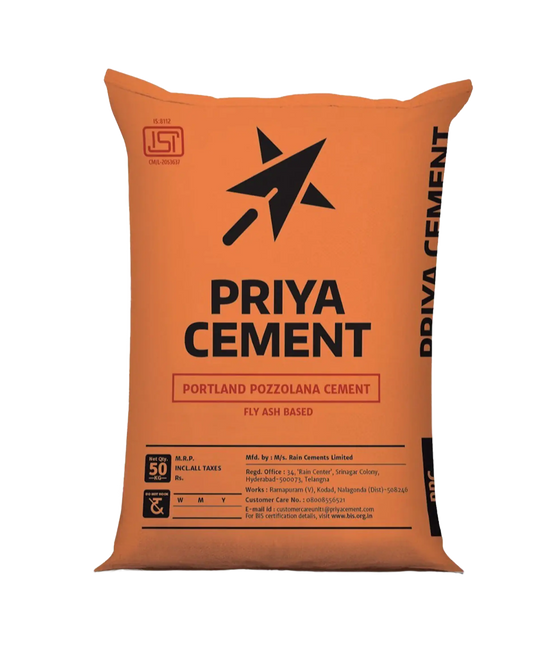 Priya
PriyaPriya PPC Cement, 50 Kg Bag
Regular price Rs. 340.00Regular priceRs. 360.00Sale price Rs. 340.00 -
ACC
ACC Suraksha PPC Cement 50Kg Bag
Regular price Rs. 370.00Regular priceRs. 390.00Sale price Rs. 370.00


